


Lady Macbeth stands as one of William Shakespeare’s most fascinating creations. Her journey from ruthless manipulator to guilt-ridden tragic figure captivates readers and audiences worldwide. Through her iconic lines, we witness ambition and power collide with conscience and psychological deterioration.
These quotes reveal the depth of Shakespearean characters and showcase why Macbeth remains one of the greatest tragedies ever written. Let’s explore the lines that define her character and expose the darkness lurking beneath ambition’s surface.
Look Like The Innocent Flower, But Be The Serpent Under’t
Quote:
- Look like the innocent flower, but be the serpent under’t.
This quote captures Lady Macbeth’s cunning manipulation perfectly. She advises Macbeth to hide his true intentions behind a welcoming facade.
The innocent flower serpent symbolism draws from Biblical imagery. The serpent reference connects to Eve’s temptation, emphasizing themes of deception and moral corruption.
Lady Macbeth’s influence on Macbeth shines through here. She teaches him to master appearances while plotting murder. This isn’t casual advice—it’s a calculated lesson in deception.
This line demonstrates her understanding of power and control. To succeed in their murderous plan, Macbeth must become a skilled actor. He must smile at King Duncan while planning his death.
The Biblical serpent symbolism in Macbeth adds layers of meaning. It suggests that evil often wears the mask of innocence. Just as the serpent deceived Eve in Eden, Lady Macbeth instructs her husband to deceive everyone around him.
Her mastery of manipulation in relationships becomes evident. She doesn’t just suggest this strategy—she demands it. Her words carry the weight of command, not mere recommendation.
This quote also reveals her practical intelligence. Lady Macbeth understands court politics and human nature. She knows that suspicion will ruin their plans before they begin.
The duality presented here reflects the play’s central themes. Appearance versus reality becomes the foundation of their tragic journey. What looks pure on the surface hides corruption beneath.
Shakespeare fans recognize this as one of the most quotable lines in the entire play. It perfectly encapsulates the darkness and evil that drives the tragedy forward.
The serpent imagery also positions Lady Macbeth as the tempter. Like the biblical serpent, she offers forbidden knowledge and power. Her husband becomes a willing participant in this fall from grace.
Out, Damned Spot! Out, I Say!
Quote:
- Out, damned spot! Out, I say!
Lady Macbeth guilt consumes her completely by this pivotal moment. The blood imagery in Macbeth reaches its devastating peak during the sleepwalking scene.
This iconic line reveals her complete psychological deterioration. Once cold and calculated, she now crumbles under the weight of conscience. The woman who feared nothing now fears everything.
The Lady Macbeth sleepwalking scene shows her broken mind laid bare. She relives Duncan’s murder, desperately trying to wash away imaginary bloodstains. Her hands scrub frantically at blood only she can see.
Macbeth washing blood symbolism represents guilt that cannot be erased. No amount of scrubbing can cleanse her soul. The physical act becomes a metaphor for impossible redemption.
This quote marks her absolute tragic downfall. The consequences of ambition have destroyed her sanity completely. What she once controlled now controls her.
Her transformation shocks everyone who witnesses it. The powerful woman who orchestrated murder now speaks in fragmented sentences. Her mind has shattered into pieces.
The repetition of Out emphasizes her desperation. She commands the spot to leave, but it refuses. Her loss of control becomes painfully obvious.
Lady Macbeth’s psychology unravels before our eyes. Guilt has transformed into obsessive compulsion. She cannot escape the horror of what she’s done.
This moment represents one of Shakespeare’s most powerful portrayals of conscience. Even the strongest mind cannot withstand the weight of murder. Moral corruption eventually destroys from within.
The blood she once dismissed as a little water clears us of this deed now haunts her eternally. Her earlier confidence was built on denial, not genuine strength.
The sleepwalking scene reveals truth that waking life conceals. In sleep, her defenses crumble. The guilt she suppressed during the day erupts at night.
This quote has become synonymous with inescapable guilt. Writers and speakers reference it when discussing conscience and remorse. Its cultural impact extends far beyond the play itself.
Lady Macbeth guilt quotes like this one demonstrate Shakespeare’s understanding of human psychology. He knew that suppressed emotions eventually surface with devastating force.
Screw Your Courage To The Sticking Place, And We’ll Not Fail

Quote:
- Screw your courage to the sticking-place, and we’ll not fail.
Lady Macbeth manipulation reaches its most intense here. She pushes Macbeth toward murdering King Duncan with fierce determination and unwavering resolve.
The Macbeth courage metaphor uses brilliant mechanical imagery. She tells him to tighten his resolve like a screw locked firmly in place. The image suggests permanence and unshakeable commitment.
The crossbow sticking-place explanation reveals Shakespeare’s cleverness. The sticking place is where maximum tension is held before release. It’s the point of no return.
This persuasion scene shows her absolute dominance. She refuses to let doubt weaken their murderous plan. Every word drips with determination and force.
Lady Macbeth ambition drives every syllable. She will stop at nothing to seize the crown. Her focus is laser-sharp and terrifyingly single-minded.
This quote demonstrates her tactical brilliance. She doesn’t just encourage—she engineers his commitment. She makes turning back feel impossible.
The mechanical metaphor suggests something inhuman about her approach. She treats courage like a tool to be adjusted, not an emotion to be felt.
Her influence on Macbeth proves overwhelming in this moment. He wavers, but she refuses to let him retreat. She becomes the driving force behind Duncan’s murder.
This line showcases her understanding of male psychology. She knows how to manipulate Macbeth’s sense of courage and honor. She weaponizes his masculinity against him.
The confidence in we’ll not fail is striking. She sees no possibility of defeat once they commit fully. Her certainty becomes infectious and dangerous.
Lady Macbeth power and control manifest completely here. She doesn’t follow Macbeth’s lead—she creates it. She transforms his vague ambition into concrete action.
This quote also reveals the partnership’s twisted dynamics. She pushes while he hesitates. Together they create a deadly combination of ambition and action.
The sticking-place metaphor implies irreversibility. Once courage is screwed tight, it cannot be loosened. The murder becomes inevitable.
Come, You Spirits That Tend On Mortal Thoughts
Quote:
- Come, you spirits that tend on mortal thoughts
This chilling invocation reveals her willingness to embrace darkness. Lady Macbeth calls upon supernatural forces to strip away her humanity.
The supernatural themes in Macbeth connect her to the witches. Some argue she becomes the fourth witch of the play. Her invocation mirrors their dark practices.
Lady Macbeth witch comparison makes perfect sense here. She actively seeks evil’s assistance to commit terrible deeds. She invites corruption rather than resisting it.
This moment shows her moral corruption beginning. She willingly surrenders compassion and mercy for power. Nothing matters except seizing the crown.
Supernatural influence pervades this quote. It foreshadows the tragedy that will engulf Scotland. Dark forces answer her call with devastating consequences.
The full invocation asks spirits to unsex her and fill her with cruelty. She wants to eliminate anything soft or feminine within herself. She seeks to become pure ruthlessness.
This request reveals her awareness of moral barriers. She knows that natural human feelings will prevent murder. Therefore, she must become unnatural.
Lady Macbeth psychology shows disturbing self-awareness here. She understands her own humanity and sees it as weakness. She deliberately chooses to destroy it.
The spirits she summons represent inner darkness. Whether literal or metaphorical, they symbolize her willingness to embrace evil completely.
This quote demonstrates her proactive approach to wickedness. She doesn’t wait for circumstances to harden her heart. She demands immediate transformation.
The invocation also highlights her leadership in evil. While Macbeth receives prophecies passively, she actively pursues darkness. She becomes the initiator of their downfall.
Shakespeare enthusiasts recognize this as a defining moment in her character arc. This is where Lady Macbeth crosses the line from ambitious to monstrous.
The darkness and evil she invites will eventually consume her. What she sees as strength becomes her ultimate destruction.
Was The Hope Drunk Wherein You Dressed Yourself?
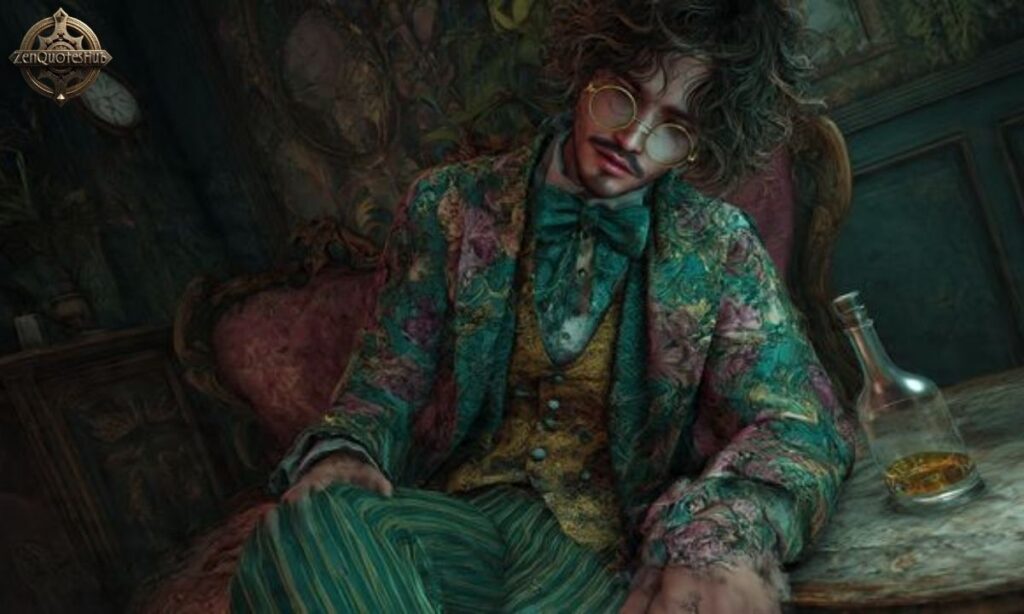
Quote:
- Was the hope drunk wherein you dressed yourself? Hath it slept since?
Lady Macbeth mocking Macbeth cuts deep in this moment. She questions whether his ambition was merely drunken foolishness.
This brutal line dismantles his hesitation. She uses his own desires against him with surgical precision. Every word is designed to wound and provoke.
The Macbeth persuasion scene demonstrates her psychological mastery. She knows exactly how to wound his pride. She attacks his manhood and his honor simultaneously.
Lady Macbeth psychology shines through this mockery. She understands that attacking his masculinity will push him forward. She makes cowardice more painful than murder.
This quote shows manipulation in relationships at its cruelest. She weaponizes love and ambition simultaneously. Her words twist affection into obligation.
The metaphor of drunken hope is devastating. She suggests his ambition was artificial and temporary. She implies he lacks genuine strength and conviction.
Her sarcasm drips from every word. The question isn’t genuine inquiry—it’s cutting accusation. She already knows the answer she wants to hear.
This moment reveals the toxic dynamics of their marriage. Love becomes leverage. Partnership becomes dominance. She controls through emotional violence.
Lady Macbeth’s influence on Macbeth reaches its peak here. She doesn’t just encourage murder—she makes not murdering unbearable. She traps him with his own ambitions.
The clothing metaphor suggests false identity. She implies he wore ambition like a costume when drunk. Now sober, he lacks the courage to follow through.
This quote demonstrates her ruthless pragmatism. She has no patience for doubt or reflection. Action is all that matters to her.
The questioning format is particularly cruel. She forces Macbeth to defend himself rather than stating her position directly. She makes him argue against his own conscience.
Yet Who Would Have Thought The Old Man To Have Had So Much Blood In Him?
Quote:
- Yet who would have thought the old man to have had so much blood in him?
This haunting line emerges during her mental collapse. Lady Macbeth transformation from strength to madness is complete and irreversible.
The blood imagery returns with devastating power. She cannot escape the visceral reality of their crimes. The blood has multiplied in her tortured mind.
Lady Macbeth guilt quotes reach their most tragic point here. The woman who once scorned weakness now drowns in remorse. Her earlier strength was hollow.
Her psychological deterioration becomes undeniable. The old man reference to Duncan reveals her fractured mind. She’s trapped in the past, reliving the murder eternally.
This moment captures the consequences of ambition perfectly. Power gained through murder destroys the soul. No crown is worth this agony.
The simple observation carries profound horror. She fixated on the practical details—how much blood, how to clean it. The mechanics of murder now consume her thoughts.
This quote shows how guilt manifests in specific details. She doesn’t speak abstractly about wrong-doing. She remembers the blood—so much blood.
The wonder in her tone is chilling. She seems genuinely surprised by Duncan’s humanity. He had blood like anyone else. He was real.
This realization comes too late. Understanding Duncan’s humanity cannot undo his murder. Recognition brings only torture, not redemption.
Lady Macbeth’s tragic downfall culminates in these fragmented memories. She’s no longer the commanding presence who ordered murder. She’s broken, lost, destroyed.
The specificity of old man humanizes Duncan posthumously. He wasn’t just a king or obstacle. He was an elderly person they brutally killed.
This line represents the ultimate failure of her earlier philosophy. She tried to eliminate mercy and compassion. Now they return as crippling guilt.
The Psychology Behind Lady Macbeth’s Character
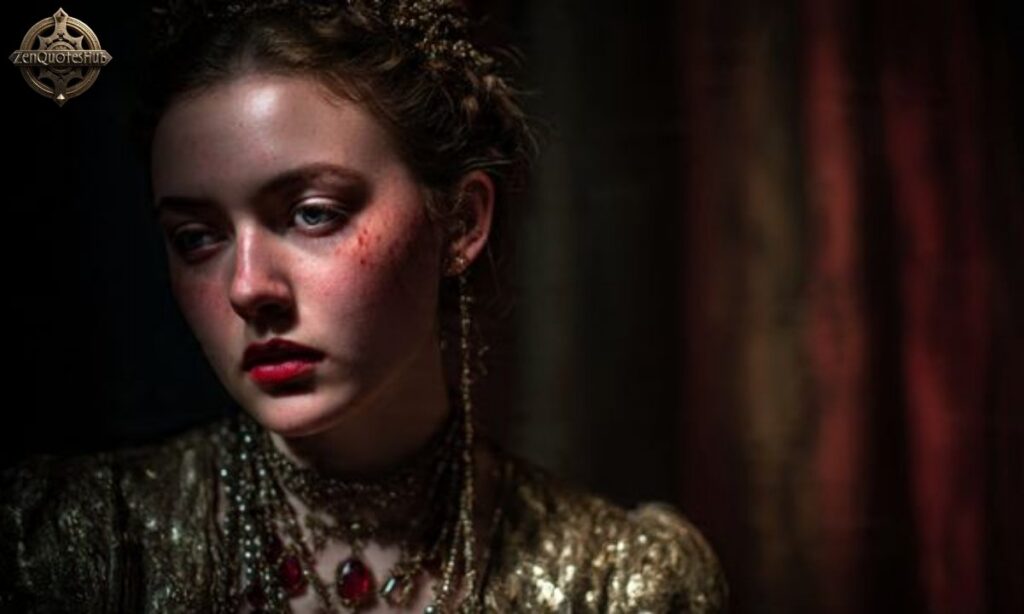
Lady Macbeth character analysis reveals layers of complexity. She embodies ambition without moral restraint. Her strength masks deep psychological vulnerability.
Modern readers recognize her as more than a villain. She’s a woman constrained by her society’s limitations. Power flows through her husband, not herself directly.
Her manipulation stems partly from frustrated ambition. If she could rule directly, would she need Macbeth? The play leaves this question unanswered.
Lady Macbeth psychology fascinates because it feels authentic. Her progression from strength to madness follows a believable trajectory. We watch her unravel in real time.
The sleepwalking scene reveals the cost of suppression. She pushed down guilt and horror throughout the play. Eventually, these emotions explode with devastating force.
Her relationship with femininity complicates interpretation. She rejects traditionally female qualities to pursue power. Yet these rejected traits return to haunt her.
Shakespeare’s tragedies often explore the gap between action and consequence. Lady Macbeth assumes she can commit murder without emotional repercussions. She’s catastrophically wrong.
How Lady Macbeth Influences Macbeth’s Decisions
Lady Macbeth’s influence on Macbeth drives the entire tragedy forward. Without her, Duncan might live. Without her, Macbeth might resist the witches’ prophecy.
She transforms vague ambition into concrete action. Macbeth dreams of kingship. She creates the plan to seize it.
Her persuasion techniques are sophisticated and varied. She attacks his masculinity. She questions his love. She offers certainty when he wavers.
The partnership reveals how evil requires cooperation. Neither character alone commits the murders. Together they become unstoppable—and doomed.
Lady Macbeth’s early dominance gradually shifts. As Macbeth grows more violent, she grows more withdrawn. The student surpasses the teacher in cruelty.
This power shift is crucial to understanding both characters. She unleashes something in Macbeth that she cannot control. He becomes the monster she helped create.
Symbolism and Themes in Lady Macbeth’s Journey
Macbeth symbolism runs throughout Lady Macbeth’s storyline. Blood represents guilt that cannot be washed away. Darkness represents moral corruption.
The transformation from power to madness shows ambition’s price. What begins as strength ends in complete destruction. The crown brings only misery.
Macbeth tragedy themes center on unchecked ambition. Lady Macbeth embodies this theme completely. She wants power more than happiness, life, or sanity.
The symbolism of blood in Macbeth becomes personal for her. Duncan’s blood marks her hands literally and figuratively. She cannot escape it.
Lady Macbeth power and control ultimately fail her. True strength comes from integrity, not manipulation. Her false strength crumbles under guilt’s weight.
Darkness and evil pervade her character arc. She invites darkness in, and it consumes her completely. The lesson is clear and terrible.
Macbeth literary analysis reveals Shakespeare’s genius throughout. Every symbol serves the story’s devastating emotional impact. Nothing is wasted.
Why Lady Macbeth Remains Relevant Today
Shakespeare enthusiasts continue studying her because she feels contemporary. Her struggles with ambition and morality remain universal. Every generation recognizes themselves in her choices.
Modern audiences see her constrained by gender expectations. She channels ambition through her husband because direct power is unavailable. This resonates with ongoing conversations about women and power.
Her psychological complexity makes her endlessly fascinating. She’s not simply evil or good. She’s human—dangerously, recognizably human.
William Shakespeare quotes from her character appear everywhere. They’re referenced in books, films, and everyday conversation. Her lines have transcended the play itself.
Macbeth play analysis reveals timeless questions. How far would you go for power? What would you sacrifice? Can you outrun guilt?
Lady Macbeth provides no easy answers. Her tragedy serves as warning, not prescription. Ambition without morality destroys everything.
Shakespeare fans appreciate how she defies simple categorization. She’s victim and villain, strong and weak, loving and cruel. She contains multitudes.
The consequences of ambition play out through her destruction. She achieves her goal—Macbeth becomes king. But the victory brings only horror.
Lady Macbeth’s Impact on Literature and Culture
Famous Shakespeare quotes often come from her character. Her lines have influenced countless writers, artists, and thinkers. She’s become an archetype.
The phrase out damned spot appears in contexts far beyond theater. It represents inescapable guilt in popular culture. Everyone understands the reference.
Lady Macbeth has inspired feminist reinterpretations and analyses. Some see her as a woman punished for exceeding her prescribed role. Others see her as genuinely villainous.
Shakespearean characters like her endure because they reflect complex truths. She shows us uncomfortable aspects of human nature. We recognize our own capacity for self-destruction.
Her influence extends beyond English literature. She appears in operas, ballets, films, and modern adaptations. Each generation reimagines her anew.
Literature teachers use her character to explore multiple themes. Ambition, gender, guilt, power, madness—she embodies them all. She’s an endlessly rich teaching subject.
The psychology she displays anticipated modern understanding. Shakespeare intuited truths about guilt and trauma centuries before psychology existed as a discipline.
FAQs
What is Lady Macbeth’s most famous quote?
Out, damned spot is her most iconic line from the sleepwalking scene.
Why does Lady Macbeth say look like the innocent flower?
She advises Macbeth to hide evil intentions behind a friendly appearance.
What does screw your courage to the sticking place mean?
It means to tighten your resolve firmly, like securing a crossbow mechanism.
How does Lady Macbeth show guilt?
Through her sleepwalking scene where she tries washing imaginary bloodstains obsessively.
Is Lady Macbeth stronger than Macbeth?
Initially yes, but guilt destroys her while Macbeth becomes increasingly violent.
What happens to Lady Macbeth at the end?
She descends into madness and dies, likely by suicide, from overwhelming guilt.
Conclusion
Lady Macbeth quotes offer profound insights into human nature’s darkest corners. Her transformation from ambitious manipulator to guilt-destroyed victim remains one of literature’s most compelling character arcs. Through famous Shakespeare quotes, we witness how the consequences of ambition can destroy even the strongest individuals.
Shakespeare enthusiasts and literature teachers continue studying her because she embodies universal struggles. The Macbeth literary analysis never grows old because these themes stay eternally relevant. Whether you’re a Shakespeare fan discovering these quotes for the first time or revisiting them with fresh perspective, Lady Macbeth’s words challenge us to examine our own relationship with ambition, power, and conscience.

My name is Wilson, and I specialize in creating inspiring and meaningful quotes. With 4 years of experience in the quotes niche, I craft words that motivate, connect, and leave a lasting impact.